Committed finance and resources. Stalled delivery.
Fiscal Hydraulics helps institutions financing, insuring and delivering adaptation, reconstruction and infrastructure programmes identify the constraints preventing committed finance and resources from becoming delivery.
One system. Three modes.
Risk finance, adaptation finance and reconstruction finance are usually treated as separate fields. Fiscal Hydraulics treats them as three modes of one public-resource system.
The shared question is whether finance can become delivery.
Trigger. Track. Transit.
A public-resource system can be understood through three flow questions: what releases the resource, what route it takes, and how reliably it moves.

Trigger
What releases the resource?
Every flow begins with an activation point: a trigger, approval, decision, contractual condition or crisis event that makes resources available to move.

Track
What route does it take?
Once released, resources follow a pathway through budgets, institutions, approvals, procurement systems and delivery actors before reaching implementation.

Transit
How reliably does it move?
The final question asks whether resources actually reach the organisations and people responsible for delivery, without unnecessary delay, loss or blockage.
Trigger-to-Transit
Trigger-to-Transit is the time from finance being released to it arriving with the implementers who turn it into delivery. It gives teams a single measurable number for the gap between headline commitments and usable resources on the ground.
Three methods, one premise
Each method applies the same flow lens at a different point in the system — crisis finance, infrastructure delivery, and resilience decision-making. The common test is whether resources can be triggered, tracked and moved into delivery.
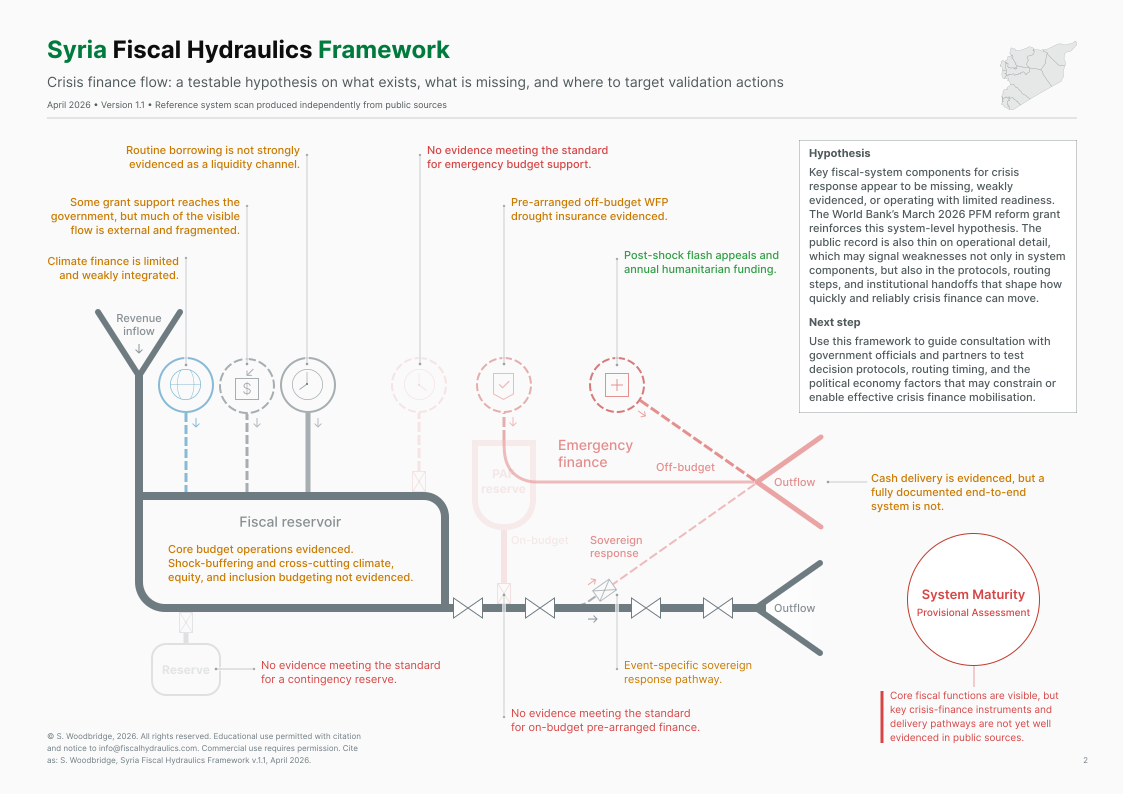
Tests whether public finance can move quickly and reliably when shocks hit — from trigger to last-mile delivery.
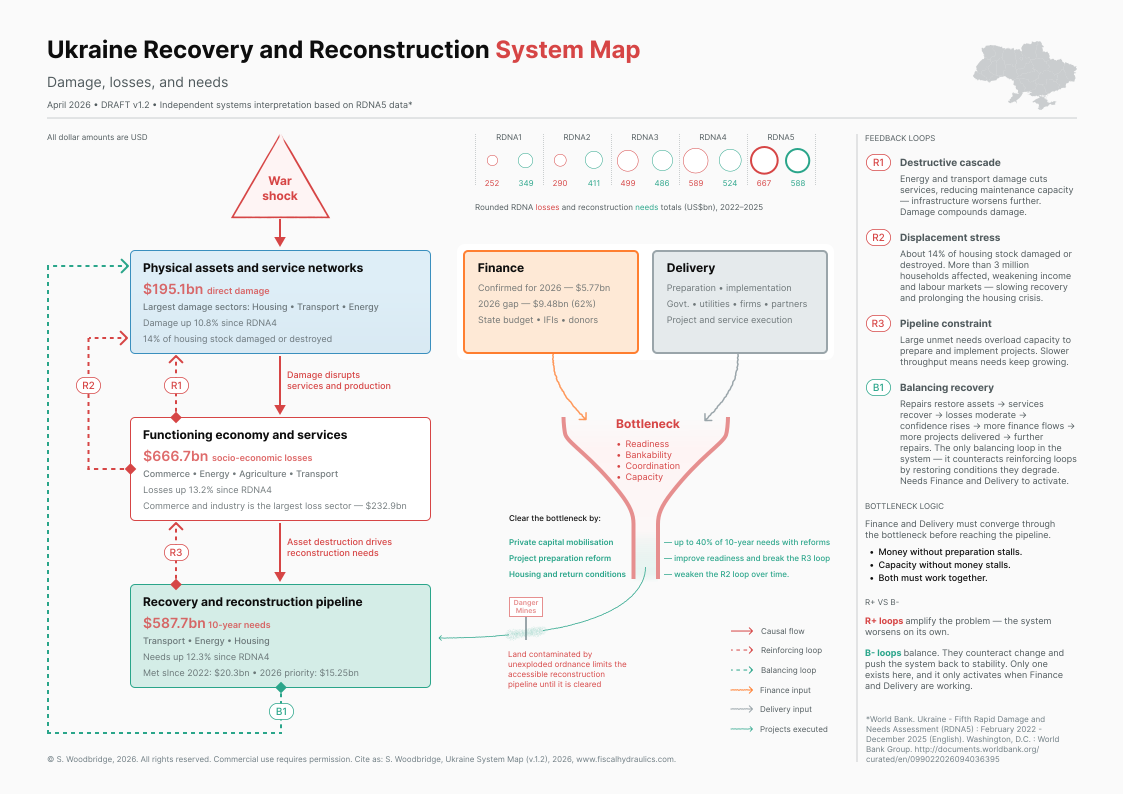
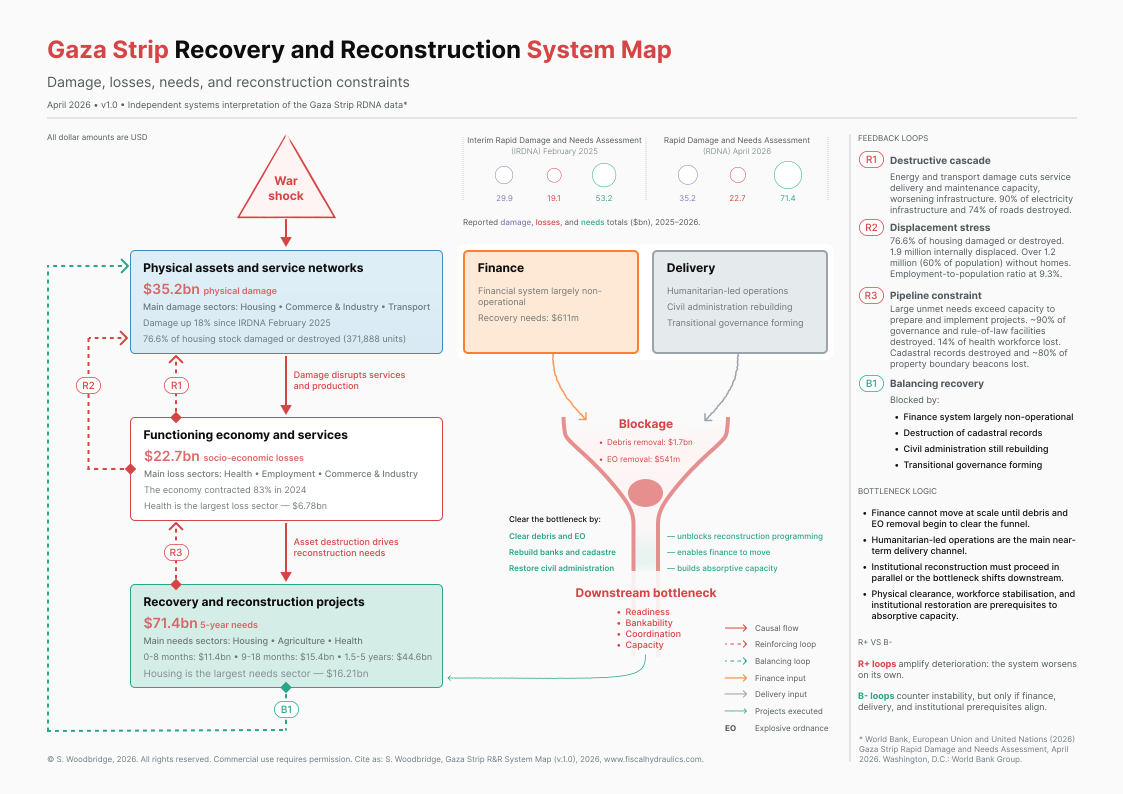
Examines whether finance commitments can move through public systems and become delivered, usable and sustained assets.
Helps teams choose and sequence resilience and sustainability actions across project preparation and assurance.
Existing assessments tell us whether systems are well designed. Fiscal Hydraulics asks a different question: can resources actually move from approval to delivery under pressure?
PFM assessments — institutional capability.
Instrument design — trigger and payout.
Fiscal Hydraulics — movement from approval to delivery.
Choose the right level of assessment
The products build progressively. Start with a single delivery pathway, expand to a system scan, deepen into a full diagnostic, or apply pathway assurance where confidence in delivery matters most.
A fixed-scope remote review of one commitment, instrument, programme route, payout pathway, or delivery assumption.
A rapid public-source assessment of where delivery risk is likely to sit across a defined public-resource pathway.
An evidence-logged diagnostic for programme design, technical assistance, investment prioritisation, or reform sequencing.
Combines system, pathway and ground-level evidence to test whether resources can move through public systems under pressure.
Workshops, Scoping Reviews and Portfolio Reviews are also available. See all assessment options.